


A university dissertation represents months of work, research, and planning. After completing the writing and editing, the final task is preparing the document for print. This part often causes stress, especially when deadlines approach. A clear approach helps ensure the printed version looks tidy, professional, and ready for submission. This guide explains the key steps needed to prepare a dissertation for print with confidence.
Start by checking the university guidelines
Most universities provide clear instructions for printed dissertations. These guidelines often include margin sizes, spacing, font choice, page numbering, cover requirements, and binding style. These details help ensure consistency across submissions and prevent last-minute formatting issues.
Checking these requirements before preparing the document avoids problems during printing. Once a dissertation is complete, adjusting margins or changing spacing can alter page breaks or shift content. Starting with the correct layout saves time later.
Set margins, spacing, and alignment properly
Strong layout structure helps a printed dissertation feel balanced and easy to read. Margins need enough space for binding without cutting off text. Many universities request wider margins on the left side for this reason. A clear margin structure also improves readability and creates a tidy appearance.
Line spacing is equally important. Double spacing or 1.5 spacing is common because it creates room for comments during marking. Consistent alignment throughout the document prevents odd spacing or disjointed paragraphs. These small details help the dissertation look considered and professional.
Choose a readable, appropriate font
A printed dissertation needs a clean, legible font that holds up well on paper. Fonts with clear shapes and comfortable spacing work best. A professional typeface keeps the dissertation easy to read across long sections. Text set in overly narrow or decorative fonts becomes harder to follow and may affect the reader’s focus.
Font size plays a role too. Most institutions suggest a standard size that balances clarity with space efficiency. Larger text increases page count, while smaller text becomes harder to read. Sticking to the recommended size ensures a consistent and comfortable reading experience.
Check page numbering and section order
A strong dissertation structure relies on clear page sequencing. Key sections often include:
- Title page
- Abstract
- Acknowledgements
- Contents
- Main chapters
- References
- Appendices
Each part must appear in the correct order and follow the required numbering system. Some universities use Roman numerals for introductory pages, followed by standard numbering for the main content. A tidy, structured flow reduces confusion and supports a smooth reading experience.
Prepare images, tables, and graphs for print clarity
Images, charts, and tables often appear crisp on screen but lose quality when printed if the resolution is too low. High-quality visuals ensure clarity in both colour and monochrome. Details should be sharp enough to read comfortably without pixelation.
Labels, captions, and headings need consistent formatting. A clear structure helps the reader understand the content without distraction. Checking that each image or table remains aligned and readable is essential before sending the document for printing.
Pay attention to page breaks and widows
Page breaks help control how sections flow. Placing headings at the bottom of a page looks untidy, while splitting paragraphs across pages can disrupt the reading experience. Adjusting breaks manually creates a cleaner layout.
Widows and orphans—single lines of text stranded at the top or bottom of a page—can weaken the appearance of the document. Minor adjustments help avoid these issues and improve the final look.
Decide between colour and black-and-white sections
Some dissertations include diagrams or images that rely on colour for clarity. Others work well in monochrome. Colour printing can improve understanding when used thoughtfully. When colour is not essential, black-and-white printing often works well and reduces cost.
A consistent approach across the document keeps the final version looking coherent. If using colour, accurate file preparation ensures the printed colours remain strong and clear.
Save the final file in the correct format
Most print services require a PDF because it preserves layout, spacing, fonts, and images. A PDF prevents unexpected shifts that can occur between different software versions. Before saving, check that all fonts embed correctly and that images retain their intended resolution.
A final proof review helps catch issues such as centred titles becoming misaligned or text slipping outside the margins.
Choose a suitable binding style
Binding style often depends on university requirements. The most common types include:
- Wire binding for a strong, tidy finish
- Comb binding for flexible page movement
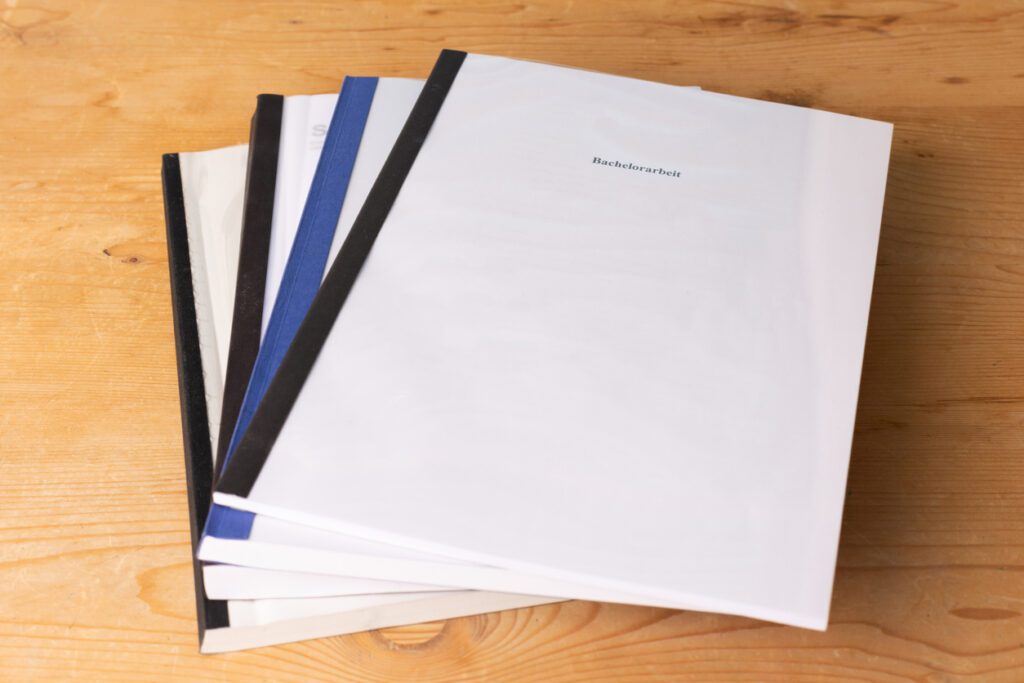
- Thermal or glue binding for a clean, book-like appearance
The thickness of the dissertation influences the choice. Large documents benefit from wire binding because it holds weight well and opens flat. Lighter documents may suit other formats. A quick discussion about the purpose, page count, and submission rules helps determine the best option.
Allow time for printing and checking
Rushing print deadlines increases the risk of mistakes. Allowing time for checks, corrections, and binding gives the best chance of producing a polished final document. Reviews often highlight misaligned images, missing page numbers, or incorrect section spacing. Catching these issues before printing prevents costly reprints.
Planning a buffer day before submission creates space for final adjustments. A calm end to the project helps maintain confidence throughout the process.
Use a personal print service for peace of mind
Preparing a dissertation for print often feels overwhelming, especially for students unfamiliar with print layouts. Automated systems rarely highlight issues such as incorrect margins, low-resolution images, or missing sections. A personal print service removes uncertainty.
At scissorspaperstone, every dissertation is checked by hand before printing. Margins, spacing, images, fonts, and pagination are reviewed carefully. Any issues are flagged and discussed with you before moving ahead. This approach helps prevent common errors and ensures the final document presents your work in the strongest possible way.
Trusted trade suppliers produce the printed and bound versions using reliable equipment. This combination of personal guidance and professional production creates a clean, durable finish suitable for submission.
Ready to print your dissertation?
A printed dissertation should reflect the effort behind it. Personal guidance, careful checks, and a clear process help produce a version that looks tidy, accurate, and ready for assessment.
For help preparing, printing, or binding your university dissertation, scissorspaperstone offers a simple, direct service through email, phone, or WhatsApp. Get in touch today to discuss your document and receive practical advice or a quick quote.